

Introduction
In recent years, there has been a growing concern about the environmental and health impacts of halogen-containing materials used in various industries. One such industry is the power cable manufacturing sector, where the use of halogenated materials has been prevalent for decades. However, with the development of halogen-free power cables, there is a shift towards more sustainable and safer alternatives. In this comprehensive guide, we will explore the advantages of halogen-free power cables, their composition, manufacturing process, applications, and the environmental benefits they offer.
Overview of Halogen-Free Power Cables
Halogen-free power cables are electrical cables that are manufactured without the use of halogenated materials such as chlorine, fluorine, bromine, and iodine. Halogen-free cables are gaining popularity due to their superior fire safety, reduced environmental impact, and improved recyclability compared to traditional halogen-containing cables. The absence of halogens in the cable insulation and sheathing materials makes them less toxic and corrosive in the event of a fire, making them safer for both humans and the environment.
Composition of Halogen-Free Power Cables
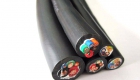
Halogen-free power cables are typically composed of the following key components:
1. Conductor: The conductor is the core component of the cable responsible for carrying electrical current. It is usually made of copper or aluminum, which are good conductors of electricity.
2. Insulation: The insulation material is used to electrically insulate the conductor and prevent electrical leakage. In halogen-free cables, the insulation material is free from halogens and is often made of materials such as cross-linked polyethylene (XLPE), ethylene propylene rubber (EPR), or silicone rubber.
3. Sheath: The sheath is the outer protective layer of the cable that provides mechanical protection and resistance to environmental factors. Rubber sheathed cables for generators -free power cables typically have a sheath made of materials such as thermoplastic elastomers (TPE), polyvinyl chloride (PVC), or thermoplastic polyurethane (TPU).
Manufacturing Process of Halogen-Free Power Cables
The manufacturing process of halogen-free power cables involves several stages, including:
1. Conductor Preparation: The copper or aluminum conductor is prepared by drawing and stranding multiple strands together to form a solid conductor or a flexible stranded conductor.
2. Insulation Extrusion: The conductor is passed through an extrusion machine where the halogen-free insulation material is applied around it in a continuous process. The insulation material is heated and melted before being formed into the desired thickness and shape.
3. Core Assembly: In some cases, multiple insulated conductors are twisted together to form a core assembly, which may include additional components such as fillers or shielding for specific applications.
4. Sheath Extrusion: The core assembly is then passed through another extrusion machine where the halogen-free sheathing material is applied around it to provide mechanical protection and environmental resistance. The sheath material is also heated and formed into the final shape of the cable.
5. Cooling and Testing: Once the cable is extruded and shaped, it goes through a cooling process to solidify the materials. The cable is then subjected to various tests to ensure its electrical and mechanical performance meet the required standards.
Applications of Halogen-Free Power Cables
Halogen-free power cables are widely used in various applications across different industries due to their superior fire safety, environmental friendliness, and recyclability. Some common applications of halogen-free power cables include:
1. Building Wiring: Halogen-free power cables are commonly used in building wiring applications for lighting, power distribution, and electrical installations where fire safety is a primary concern.
2. Industrial Machinery: Halogen-free cables are used in industrial machinery and equipment where high temperatures and harsh environmental conditions are present, as they offer better resistance to heat and chemicals compared to halogen-containing cables.
3. Renewable Energy Systems: Halogen-free power cables are essential components in renewable energy systems such as solar panels and wind turbines, where safety, reliability, and environmental impact are critical factors.
4. Transportation: Halogen-free cables are also used in transportation applications, including automotive, rail, and marine industries, where fire safety and environmental compliance are essential requirements.
5. Data Centers: In data centers and telecommunications facilities, halogen-free power cables are preferred for their low smoke and toxicity properties in the event of a fire, ensuring the safety of personnel and equipment.
Environmental Benefits of Halogen-Free Power Cables
The use of halogen-free power cables offers several environmental benefits compared to traditional halogen-containing cables. Some of the key environmental advantages of halogen-free power cables include:
1. Reduced Toxicity: Halogen-free power cables do not emit toxic gases such as hydrogen chloride and hydrogen fluoride when exposed to fire, reducing the health risks to humans and the environment.
2. Lower Smoke Emission: Halogen-free cables produce significantly lower smoke emissions during a fire compared to halogen-containing cables, which helps improve visibility and evacuation efforts in emergency situations.
3. Improved Recyclability: Halogen-free power cables are easier to recycle and dispose of responsibly at the end of their service life, contributing to a more sustainable and circular economy.
4. Compliance with Regulations: The use of halogen-free cables helps companies comply with environmental regulations and standards that restrict the use of hazardous substances, promoting a greener and safer manufacturing process.
Conclusion
Halogen-free power cables are becoming increasingly popular in various industries due to their superior fire safety, reduced environmental impact, and improved recyclability compared to traditional halogen-containing cables. By eliminating halogens from the cable insulation and sheathing materials, halogen-free cables offer a safer and more sustainable alternative for electrical installations, machinery, renewable energy systems, transportation, and data centers. The environmental benefits of halogen-free power cables, including reduced toxicity, lower smoke emission, improved recyclability, and regulatory compliance, make them a preferred choice for companies and consumers looking to minimize their environmental footprint and enhance safety standards. As the demand for sustainable and eco-friendly solutions continues to grow, halogen-free power cables are poised to play a crucial role in shaping the future of the electrical industry.